A borescope inspection camera is a specialized tool used to visually inspect areas that are hard or impossible to reach with the naked eye. It typically consists of a long, flexible (or rigid) tube with a high-definition camera at the tip. The camera transmits real-time video or still images to a screen, allowing the user to see inside engines, walls, pipes, or machinery.
Version 1.0.0
These cameras often include built-in LED lights to illuminate dark spaces, and many models allow for photo and video recording, zoom functions, and even articulation—meaning the camera tip can be maneuvered remotely.
How Does a Borescope Camera Work?
The camera is connected to either a handheld monitor or a smartphone via Wi-Fi or cable. The device is inserted into a small opening and snaked through the inspection area. As the user moves the camera, they can watch a live feed of the internal environment on the screen, helping identify issues like corrosion, blockages, wear and tear, or foreign objects.
Best Uses for a Borescope Camera
Borescope cameras are popular in many professional industries, as well as for DIY tasks. Here are some of their most common uses:
1. Automotive Inspections
beetle vw bug retro vintage 5523224
Mechanics use borescopes to inspect engine cylinders, pistons, valves, and fuel systems without having to disassemble the engine. This saves time and avoids unnecessary labor.
2. Plumbing
Plumbers use borescope cameras to locate clogs, leaks, or pipe damage inside walls or underground. This minimizes the need for destructive probing.
3. HVAC Maintenance
Heating and cooling technicians can check inside ducts, units, and behind walls to diagnose airflow issues, mold, or mechanical failures.
4. Home Inspections
Inspectors can view behind walls, under floors, or inside ceilings to find insulation problems, wiring issues, or pest infestations.
5. Industrial Equipment
In factories and manufacturing settings, borescopes help check for wear, contamination, or mechanical defects in large machines without shutting down operations.
6. Aerospace and Aviation
Aircraft maintenance professionals use high-end borescopes to inspect turbine engines and internal aircraft systems for safety and compliance.
7. Electronics and Circuitry
In electronics, borescopes help identify faulty wires, soldering defects, or damage in tightly packed components.
Final Thoughts
lens camera optics 7105005
Whether you’re a mechanic, technician, contractor, or DIY enthusiast, a borescope inspection camera can be a game-changer. These compact yet powerful tools provide an inside look into the places you normally can’t see—saving you time, money, and a lot of guesswork.
When choosing a borescope, consider the camera resolution, cable length, flexibility, light source, and compatibility with your devices. With the right model, you’ll gain a clear view of the problem—literally.
For decades, healthcare has largely focused on treating illness after it appears. Today, however, there is a growing movement toward prevention—an approach that encourages people to invest in their health before problems develop. Rather than waiting for symptoms to interfere with daily life, preventive wellness emphasizes building habits that support long-term physical, mental, and emotional well-being.
This shift is changing how individuals think about healthcare. Instead of asking, “How do I recover from illness?” more people are asking, “What can I do today to stay healthy tomorrow?”
A New Perspective on Health
Preventive wellness isn’t about chasing perfection or following the latest health trend. It’s about consistently making choices that reduce risk while improving overall quality of life.
Simple habits like staying active, eating nutritious foods, managing stress, getting enough sleep, and scheduling regular medical checkups can have a meaningful impact over time. Small decisions made consistently often produce greater benefits than dramatic lifestyle changes that are difficult to maintain.
Recent discussions surrounding personalized wellness have highlighted this growing focus on proactive healthcare. As explored in MSN’s article, The Rise of Personalized Wellness: What’s Driving the Biggest Health Shift of the Decade, more people are using health data, wearable technology, preventive screenings, and individualized wellness strategies to better understand their bodies and make informed lifestyle decisions.
Prevention Starts at Home
One of the most overlooked aspects of preventive wellness is the environment we create at home. Healthy routines don’t only benefit the individual—they often influence spouses, children, and entire families.
Parents who prioritize their own physical and emotional health frequently model positive behaviors that children naturally adopt. Healthy eating, regular exercise, emotional resilience, and effective stress management become part of a family’s culture rather than isolated habits.
This relationship between caregiver wellness and child development is discussed in the American SPCC article, The Impact of Parental Wellness on Childhood Development and Emotional Health, which explains how a parent’s emotional well-being can influence a child’s sense of security, emotional regulation, and long-term development.
These findings reinforce an important idea: caring for yourself is often one of the best ways to care for those around you.
Building the Foundation for Long-Term Health
Preventive wellness rests on several key pillars that support overall health throughout life.
Daily Movement
Exercise helps far more than muscles and joints. Regular physical activity supports cardiovascular health, improves mood, strengthens bones, enhances cognitive function, and reduces the risk of many chronic diseases.
The goal doesn’t have to be intense workouts. Walking, cycling, swimming, strength training, stretching, and recreational sports all contribute to better long-term health.
Balanced Nutrition
Nutrition provides the building blocks for nearly every function in the body. Diets rich in vegetables, fruits, lean proteins, whole grains, legumes, healthy fats, and adequate hydration help support immune function, metabolic health, and energy production.
Healthy eating isn’t about restriction—it’s about consistently fueling the body with foods that promote overall wellness.
Quality Sleep
Sleep is one of the most powerful yet underrated forms of preventive care.
During sleep, the body repairs tissues, regulates hormones, strengthens immune defenses, and consolidates memory. Chronic sleep deprivation has been associated with increased risks of obesity, diabetes, cardiovascular disease, and mood disorders.
Prioritizing consistent sleep schedules may be one of the easiest ways to improve long-term health.
Stress Management
Stress itself is a normal part of life. The challenge arises when stress becomes constant without opportunities for recovery.
Practices such as meditation, mindfulness, breathing exercises, hobbies, spending time outdoors, and maintaining supportive relationships help regulate the body’s stress response and improve emotional resilience.
The Growing Role of Personalized Wellness
Technology has made preventive healthcare more accessible than ever before.
Fitness trackers monitor activity levels, heart rate, and sleep patterns. Smart watches can encourage movement throughout the day. Home health devices allow individuals to monitor blood pressure, blood glucose, and other important health indicators.
While these tools don’t replace medical care, they can provide valuable insights that encourage healthier daily choices.
The broader trend toward personalized wellness reflects a growing understanding that every individual has different health goals, risk factors, genetics, and lifestyles. Prevention works best when it is tailored to the individual rather than relying on a one-size-fits-all approach.
Regular Screenings Matter
Preventive medicine also includes routine medical care.
Annual wellness visits allow healthcare providers to detect potential problems before symptoms develop. Depending on age, family history, and individual risk factors, preventive care may include:
Blood pressure monitoring
Cholesterol testing
Diabetes screening
Cancer screenings
Vision and hearing exams
Dental checkups
Vaccinations
Mental health evaluations
Early detection often leads to simpler, more effective treatment and better long-term outcomes.
Wellness Is a Lifelong Investment
Good health rarely happens by accident. It is usually the result of thousands of small decisions made consistently over many years.
Choosing nutritious meals, staying physically active, protecting sleep, managing stress, and maintaining regular preventive healthcare all work together to lower health risks while improving quality of life.
Preventive wellness isn’t about eliminating every possible illness. Instead, it helps build a stronger foundation that allows people to enjoy greater energy, resilience, independence, and overall well-being throughout every stage of life.
Conclusion
The future of healthcare is increasingly centered on prevention rather than reaction. As research continues to demonstrate the value of healthy daily habits, individuals are recognizing that investing in wellness today can reduce health challenges tomorrow.
Whether through healthier nutrition, regular exercise, quality sleep, emotional self-care, or routine preventive medical visits, every positive step contributes to long-term health. Prevention is not a single decision—it is a lifelong commitment to building a healthier future for yourself and the people who depend on you.
For most of my adult life, fitness was presented as something loud and aggressive: boot-camp energy, pre-workout powders that made my heart race, and the idea that if I wasn’t pushing to exhaustion, I wasn’t doing enough. Marijuana never seemed to fit into that picture. It belonged to lazy stereotypes, not gym bags.
Then life happened—aching hips after long workdays, sleepless nights, stress that lived in my shoulders—and my relationship with both movement and cannabis slowly changed. I realized fitness doesn’t have to be punishment, and marijuana doesn’t have to mean zoning out on the couch. Used intentionally, it can become part of a gentler, smarter way to care for a woman’s body.
Moving Instead of Forcing
Some strains help me approach exercise with curiosity instead of dread. A light, uplifting sativa before a walk can make the world feel brighter—music sounds better, my breathing slows, and I notice how my feet actually hit the ground. I’m not trying to break records; I’m trying to show up.
For yoga or stretching, a small dose can soften that inner critic that says I’m not flexible enough, not strong enough, not doing it “right.” I stay on the mat longer because I’m enjoying the movement instead of racing through it.
Recovery Is Part of Fitness Too
Women carry tension in complicated ways—hormones, stress, caretaking, hours at desks. After workouts, indica-leaning strains or a THC/CBD blend can help my muscles unclench so recovery isn’t just an ice pack and grit.
Topicals have become my secret weapon. A cannabis balm on sore knees or lower back lets me wake up without that stiff, middle-aged creak. It doesn’t feel like getting high; it feels like permission to heal.
The Mental Side
Half of fitness is emotional. There are days I don’t want to be seen at the gym, days my body image is loud, days anxiety makes my chest tight. A mindful, tiny amount of cannabis can quiet that noise just enough for me to lace up my shoes.
Not every session should be enhanced, and not every strain helps. Too much THC can make my heart flutter and my focus disappear. I’ve learned that intention matters more than potency: am I using this to connect with my body or escape it?
What Works for Me (Not Medical Advice, Just Experience)
Cardio days: a gentle, clear-headed strain—nothing heavy
Yoga or mobility: balanced THC/CBD for body awareness
Post-workout: indica or a topical for soreness
High-intensity training: usually sober; I need sharp coordination
Hydration matters more, and eating enough matters most. Cannabis doesn’t replace discipline—it just changes the tone.
The Bigger Picture
Fitness for women isn’t only about burning calories. It’s about bone density, joint health, stress relief, and feeling at home in our skin as we age. Marijuana, when used thoughtfully, can support those goals instead of contradicting them.
I’ve stopped measuring success by how punished I feel afterward. Now I ask different questions: Did I breathe deeply? Did I move with kindness? Will I want to do this again tomorrow?
If a little cannabis helps me answer yes, then it has earned its place beside my sneakers and water bottle.
Bottom line: Marijuana isn’t a shortcut to fitness, but for many women it can be a companion—helping us move with less pain, recover with more ease, and remember that strength can be soft as well as fierce.
CBD (cannabidiol) has become one of the most widely used hemp-derived compounds in wellness products today. You’ll find it in creams, oils, capsules, gummies, balms, and even pet products. But many consumers do not fully understand how CBD is actually made.
CBD does not appear magically in a bottle. It is the result of a multi-step agricultural and manufacturing process that begins in the soil and ends in a carefully tested extract. Understanding this process helps consumers make better buying decisions and separate high-quality CBD products from low-quality or misleading ones.
This article walks through the entire CBD production process—from growing hemp plants to extracting, refining, and formulating CBD for real-world use.
1. What Is Hemp and Why Is It Used for CBD?
CBD is naturally produced by Cannabis sativa L., the same species that includes marijuana. The key difference is THC content.
Hemp is legally defined in the U.S. as cannabis containing 0.3% THC or less by dry weight
Marijuana contains higher THC levels and is regulated differently
Hemp is used for CBD production because it:
Naturally contains high levels of CBD
Contains only trace amounts of THC
Is federally legal when grown under approved programs
Can be cultivated at large scale for extraction
Industrial hemp is grown specifically for flowers, not for fiber or seeds, when the goal is CBD.
2. Growing Hemp for CBD Extraction
Climate and Soil Requirements
Hemp plants grown for CBD need:
Full sun exposure
Well-draining soil
Moderate rainfall or controlled irrigation
Minimal pesticide use
High-quality CBD begins with healthy plants. Hemp readily absorbs compounds from the soil, which means clean soil is critical. Poor soil can lead to contaminated extracts later.
Genetics Matter
CBD content varies by strain. Licensed growers use CBD-dominant hemp genetics bred for:
High cannabidiol levels
Low THC expression
Consistent cannabinoid profiles
Seed selection directly affects the final potency and purity of the extract.
3. Harvesting Hemp at the Right Time
Timing is critical.
Hemp plants are harvested when:
CBD levels are at their peak
THC remains below legal limits
Flowers are mature but not degraded
Harvest usually occurs just before full flowering finishes. If harvested too early, CBD levels are low. If harvested too late, THC may rise beyond legal thresholds.
After cutting, the plants move immediately to drying.
4. Drying and Curing the Hemp Flowers
Fresh hemp contains a high moisture content. Drying is essential to:
Prevent mold growth
Preserve cannabinoids and terpenes
Prepare plant material for extraction
Drying typically occurs in:
Climate-controlled barns
Low-heat environments
Well-ventilated spaces
Once dried, flowers are trimmed and stored until extraction. At this stage, the hemp still contains CBD in its acid form (CBDA).
5. Decarboxylation: Activating CBD
Raw hemp does not contain much active CBD. Instead, it contains CBDA (cannabidiolic acid).
To convert CBDA into CBD, the plant material undergoes decarboxylation, a controlled heating process that:
Removes a carbon group
Activates cannabinoids
Makes CBD bioavailable
This step is essential. Without decarboxylation, CBD would not function as expected in finished products.
6. CBD Extraction Methods
Extraction is the process of pulling cannabinoids out of the hemp plant. Several methods exist, but quality varies greatly.
CO₂ Extraction (Gold Standard)
Supercritical CO₂ extraction is widely considered the cleanest and most precise method.
How it works:
Carbon dioxide is pressurized and heated
CO₂ acts like a solvent
Cannabinoids and terpenes are separated
CO₂ evaporates completely, leaving no residue
Advantages:
No toxic solvents
Highly controlled
Produces clean, potent extracts
Ideal for premium CBD products
Ethanol Extraction
Ethanol extraction uses food-grade alcohol to dissolve cannabinoids.
Pros:
Efficient
Cost-effective
Common for large-scale production
Cons:
Can extract chlorophyll
Requires additional refinement
Flavor may be harsher if not processed correctly
Hydrocarbon Extraction (Less Common for CBD)
Methods using butane or propane are more common for THC concentrates and less ideal for CBD wellness products due to safety and residue concerns.
7. Refinement and Filtration
After extraction, the raw CBD oil is thick, dark, and contains:
Plant waxes
Fats
Chlorophyll
Minor impurities
Winterization
The extract is mixed with alcohol and frozen to remove unwanted plant compounds. This improves:
Clarity
Stability
Texture
Distillation
Further refinement separates cannabinoids by boiling point, producing:
CBD distillate
Higher potency
Consistent cannabinoid levels
At this stage, the extract may exceed 70–90% CBD depending on refinement.
8. Types of CBD Extracts
Not all CBD extracts are the same.
Full Spectrum CBD
Contains CBD + minor cannabinoids
Includes trace THC (≤0.3%)
Preserves natural plant profile
Broad Spectrum CBD
Contains CBD + minor cannabinoids
THC removed
Ideal for THC-sensitive users
CBD Isolate
Pure CBD only
No other cannabinoids or terpenes
Least “plant-like” effect
Broad spectrum and full spectrum extracts are often preferred for topical products and wellness formulations due to the entourage effect.
9. Lab Testing and Quality Control
Reputable CBD manufacturers test at multiple stages.
Third-party lab testing verifies:
CBD potency
THC compliance
Absence of pesticides
Heavy metal safety
Microbial cleanliness
A Certificate of Analysis (COA) should always be available to consumers.
CBD that is not tested should be avoided.
10. Formulating CBD into Finished Products
Once extracted and tested, CBD is blended into products such as:
Creams and lotions
Salves and balms
Oils and tinctures
Capsules and edibles
Formulation determines:
Absorption speed
Shelf life
User experience
Effectiveness
For topicals, CBD is often combined with:
Carrier oils
Aloe
Shea butter
Essential oils
Cooling or warming agents
This is where a CBD product becomes more than just an extract—it becomes a usable solution.
11. Why the CBD Production Process Matters
CBD quality is not determined by milligram numbers alone. It depends on:
Hemp genetics
Farming practices
Extraction method
Refinement level
Lab verification
Final formulation
Cheap CBD products often cut corners early in the process. Premium products invest in every step.
Understanding how CBD is made helps consumers:
Avoid misleading claims
Identify trustworthy brands
Choose products that actually work
Final Thoughts
CBD creation is both agricultural and scientific. It starts with a plant grown under strict conditions and ends with a refined extract shaped into products people rely on daily.
From soil quality to extraction method, every decision affects the final result. When done correctly, CBD remains one of the most versatile and well-tolerated hemp-derived compounds available today.
For consumers, knowledge is power. Knowing how CBD is made allows you to choose quality over hype—and results over promises.
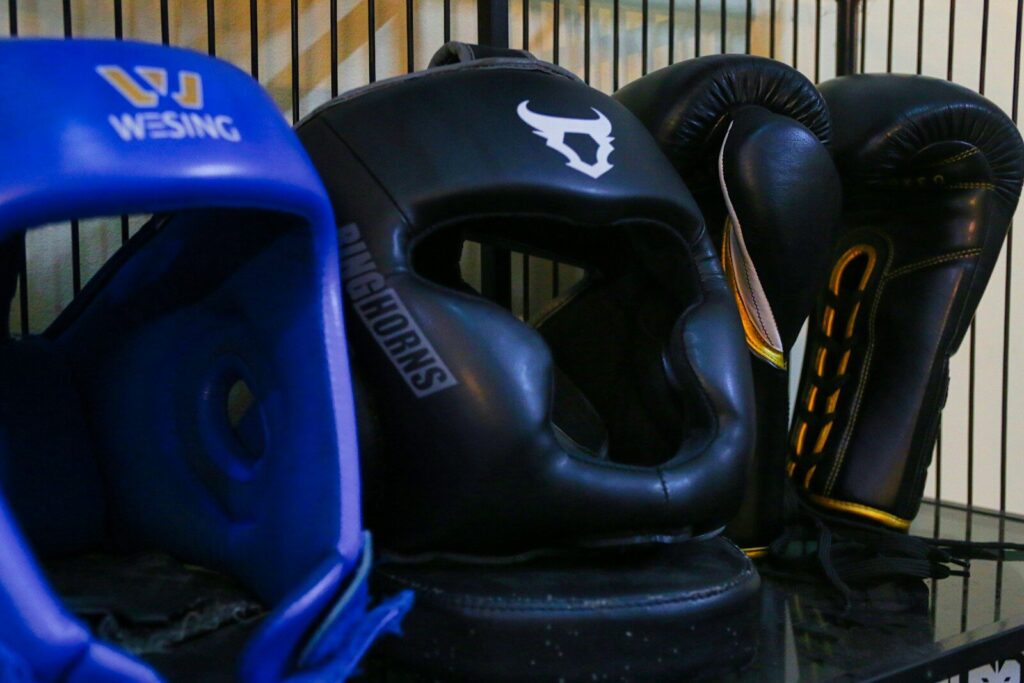
In recent years, martial arts—once perceived primarily as a youth-oriented activity—has seen a significant increase in participation among middle-aged adults. Individuals between 35 and 60 years old are increasingly turning to disciplines such as Brazilian Jiu-Jitsu (BJJ), Muay Thai, Taekwondo, Karate, and mixed-martial arts (MMA) not for competition, but for holistic fitness, mental health benefits, and lifestyle transformation. This article explores the drivers behind this trend, the benefits middle-aged adults derive, common challenges, examples of successful engagement, and practical guidance for those considering this path.
Why Middle-Aged Adults Are Choosing Martial Arts
1. Holistic Fitness Beyond the Gym
Traditional gym workouts—treadmills, weight machines, and fitness classes—offer benefits, but many adults in midlife seek more engaging, purpose-driven forms of exercise. Martial arts provide:
Functional strength development
Joint mobility and flexibility
Cardiovascular conditioning
Dynamic full-body movement patterns
Unlike repetitive gym routines, martial arts integrate agility, coordination, balance, and reflexes, which are especially valuable as the body ages.
2. Mental and Emotional Well-Being
Physical exercise alone does not fully explain the appeal. Martial arts emphasize mental discipline, focus, and stress management. For many middle-aged adults juggling work, family, and aging-related health concerns, the psychological benefits are as important as the physical ones. Practices such as controlled breathing, meditation (common in arts like Karate and Aikido), and the disciplined learning process contribute to:
Reduced stress and anxiety
Improved self-confidence
Better cognitive focus
3. Community and Social Connection
Martial arts schools foster community. Adults often report that the camaraderie of training partners, the supportive environment of dojos and gyms, and regular class schedules counteract the isolation that can accompany midlife transitions. This sense of belonging promotes sustained participation and accountability.
Key Physical Benefits for Middle-Aged Adults
1. Enhanced Cardiovascular Health
Engaging in martial arts—through drills, sparring, and aerobic conditioning—elevates heart rate and improves cardiovascular resilience. Studies show that consistent moderate-intensity exercise reduces the risk of heart disease, a concern that rises with age.
2. Strength and Musculoskeletal Health
Martial arts training often uses bodyweight movements and progressive challenges that improve muscular strength without the high-impact stress of competitive sports. Strength gains support:
Bone density maintenance
Protection against age-related muscle loss (sarcopenia)
Improved posture
3. Balance, Coordination, and Flexibility
Middle age typically brings gradual decline in balance and flexibility, increasing fall risk. Martial arts emphasize:
Dynamic balance (e.g., stance transitions)
Multi-planar movement
Flexibility through stretching and technical drills
These attributes translate to better performance in everyday activities.
Challenges and How Adults Address Them
1. Risk of Injury
Middle-aged bodies are more susceptible to stress injuries. Adults mitigate risks by:
Choosing age-appropriate class levels
Prioritizing proper warm-ups
Communicating limitations to instructors
Reputable schools provide structured progression and modifications for individual needs.
2. Time and Life Balance
Work, family, and social obligations can make regular training difficult. Many practitioners schedule classes early in the morning or later in the evening and treat training as essential personal time rather than optional exercise.
3. Performance Pressure
Unlike competitive athletes, many middle-aged adults train for wellness, not trophies. Schools that emphasize personal growth over competition help middle-aged students sustain motivation and reduce stress.
Personal Stories of Success
Instructors and students alike report inspiring trajectories:
A 45-year-old office worker regains lost stamina and loses 30 pounds within a year of consistent Muay Thai training.
A 52-year-old parent with chronic back pain improves posture and mobility through Karate and supportive cross-training.
A community of weekend BJJ practitioners in their 40s and 50s participates in in-house tournaments primarily for personal milestones rather than competition.
These narratives underscore that progress in martial arts is measured by personal goals, quality of life improvements, and resilience rather than age-based expectations.
Practical Guidelines for Getting Started
4. Merchandise Sales
1. Assess Your Health Status
Before beginning, consult with a healthcare provider—especially if you have preexisting conditions. A baseline understanding of cardiovascular, joint, and musculoskeletal health supports safe participation.
2. Choose the Right Discipline
Different arts offer varied emphases:
Brazilian Jiu-Jitsu: Ground grappling, leverage, and technique
Muay Thai / Kickboxing: Striking and cardiovascular work
Karate / Taekwondo: Forms (katas), striking, discipline, flexibility
Aikido / Tai Chi: Low-impact, fluid motion, balance, and awareness
Visit local schools, observe classes, and discuss your goals with instructors to find the best fit.
3. Set Realistic Goals and Track Progress
Establish clear milestones—such as mastering a technique, improving flexibility, or sustaining attendance—and celebrate incremental progress.
4. Incorporate Recovery and Cross-Training
Adequate sleep, hydration, mobility work, and complementary practices (swimming, yoga) enhance performance and reduce injury risk.
For high-quality martial arts gear and supplies to support your training, visit:
Conclusion
Martial arts offers a multifaceted pathway to wellness for middle-aged adults. With structured instruction, community support, and a focus on sustainable progress, adults in midlife can achieve improved fitness, mental clarity, and a fulfilling sense of achievement. As the trend continues, martial arts is increasingly recognized not merely as self-defense or competition, but as a transformative lifestyle choice for individuals seeking resilience at every age.
In a world filled with constant noise and endless stimulation, the concept of sound as healing might seem counterintuitive — yet it’s one of the oldest wellness practices known to humanity. Long before meditation apps and spa playlists, ancient cultures used vibrations, chanting, and rhythmic drumming to restore harmony in both body and mind.
Today, sound healing is experiencing a modern revival. Whether through Tibetan singing bowls, tuning forks, gongs, or immersive sound baths, this practice helps people reconnect to stillness, release tension, and restore energetic balance.
🌿 What Is Sound Healing?
At its core, sound healing is based on the principle that everything — including your body — is made up of energy and vibration. When your internal frequency is out of tune due to stress, trauma, or fatigue, sound waves can help bring it back into resonance.
Each tone or frequency interacts with your nervous system, guiding it toward relaxation and restoration. Just as a musician tunes an instrument, sound therapy aims to “retune” your energy field — helping you feel calmer, lighter, and more centered.
🎵 How It Works
When you experience a sound bath or healing session, the body doesn’t just hear — it feels. The vibrations ripple through your cells, syncing your brain waves into slower, meditative states like alpha and theta.
This process can:
Lower stress hormones like cortisol
Slow heart rate and blood pressure
Stimulate the parasympathetic nervous system, promoting deep rest
Release energetic blockages that cause emotional or physical tension
It’s not uncommon for participants to describe a sound healing session as “a massage for the soul” — an experience that melts away layers of built-up stress without needing a single word.
🧘♀️ The Mind-Body Connection
Sound healing is more than relaxation — it’s a path to self-awareness. When the mind quiets, the body listens. The gentle hum of a crystal bowl or gong creates space for emotions to rise and release naturally, often unlocking insights or memories stored deep within the subconscious.
As this energetic alignment occurs, many report improved sleep, mental clarity, emotional balance, and even physical relief from chronic pain.
Science is beginning to catch up, too. Studies on binaural beats and vibrational therapy show measurable effects on mood regulation and neuroplasticity, reinforcing what ancient healers have known for centuries — that sound changes us from the inside out.
💖 Bringing Sound Healing into Your Daily Life
You don’t need to visit a studio or spa to enjoy the benefits of sound healing. Simple practices can bring balance into your daily rhythm:
Start your morning with soft chanting or ambient sound meditation.
Use crystal or Tibetan bowls at home for short sessions before bed.
Play nature frequencies (like rain or ocean waves) while working or journaling.
Hum or sing — your voice is one of the most powerful vibrational tools you have.
Consistency is key. Over time, your body begins to associate these sounds with peace, making it easier to access calm no matter what life brings.
✨ The Modern Wellness Movement
Today’s wellness culture is embracing sound healing not just as a spiritual practice, but as a science-backed tool for emotional resilience and energetic renewal. From yoga studios to wellness retreats, sound baths have become a sensory sanctuary for those craving connection in a noisy world.
Many holistic practitioners, including Tatiana The Sugar Mama, weave sound healing into their energy and bodywork sessions — combining it with reiki, massage, and intuitive touch to create deeply transformative experiences.
To explore more holistic rituals, energy healing sessions, and handmade wellness creations, visit TatianaTheSugarMama.com — where self-care meets sacred sound, and every experience is crafted with pure intention.
🌸 The Sweet Sound of Self-Care
Sound healing reminds us that true wellness isn’t about adding more noise — it’s about tuning in. The harmony you seek outside often begins within, in those quiet moments where vibration becomes awareness, and awareness becomes healing.
In an age when oversharing feels like the norm, some creators are taking a different path — embracing mystery as a form of self-expression. One such creator, known simply as Kimchi Kink, is turning heads across Southern California for her thoughtful approach to creativity, confidence, and cultural identity.
Based in Irvine, this Korean-American nursing student balances textbooks by day and artistic projects by night. Her journey is about more than just content creation — it’s about reclaiming space for self-discovery in a world that often demands definition.
“Wearing a mask doesn’t mean hiding,” she explains on her website. “It’s my way of blending two worlds — the focused student and the free-spirited artist.”
The idea behind Kimchi Kink is a mix of humor, empowerment, and self-love. Her playful name hints at her Korean roots while inviting curiosity, but her mission is rooted in something deeper — showing that identity can be both proud and private.
When she’s not studying or creating, Kimchi Kink finds balance through yoga — a daily ritual that helps her manage stress, stay flexible, and maintain focus. “Yoga keeps me centered,” she says. “It’s not just physical; it reminds me to breathe through challenges — in school, in art, and in life.”
That mindful discipline carries over into her creative work, giving her content a calm yet confident energy. Each pose, each project, each post reflects a harmony between effort and ease — a concept she lives by both on and off camera.
As she continues to develop her creative platform, Kimchi Kink hopes to inspire others to embrace their own forms of expression — whether through art, movement, fashion, or storytelling. For her, it’s not about fame or perfection, but about the courage to explore who you are, one project at a time.
So while her mask may hide her face, her story reveals something far more powerful — a reminder that true confidence often comes from within.
Fitness professionals—trainers, coaches, and gym owners—are increasingly using social media to build their brand, attract clients, and share their expertise. In this article, we’ll look at why social media matters so much for the fitness world, how experts are using it, and what strategies actually work for growing a loyal following online.
Why Social Media Matters for Fitness Pros
1. Massive Reach, Low Cost
Social media lets fitness professionals showcase their expertise to thousands of people for free. Posting short videos, workout clips, or transformation stories can reach a wider audience than local advertising ever could.
2. Proof of Skill
Fitness is a visual industry. A trainer can demonstrate perfect form, energy, and expertise through video instead of just talking about it. Visual platforms like Instagram, TikTok, and YouTube allow clients to see results in action.
3. Building Trust and Community
Regular, authentic posts help trainers create a sense of connection. Followers begin to feel part of a community — which often translates into long-term clients.
4. Standing Out in a Crowded Market
There are countless trainers online, but social media allows each one to find their niche — whether that’s strength training, mobility, weight loss, or wellness for seniors.
How Fitness Experts Are Using Social Media
1. Showing the Process, Not Just the Results
Instead of just saying “I’m a fitness coach,” successful trainers show their daily work:
Quick 60-second workout demos
Behind-the-scenes looks at gym life
Client progress snapshots and testimonials
This type of visual storytelling builds credibility faster than a traditional résumé.
The advice from 8 Tips for Effective Social Media Marketing — define your audience, stay consistent, and deliver value — applies perfectly here. Trainers who plan their content like workouts (with structure and purpose) get better results.
YouTube – detailed tutorials, long-form content, and fitness education.
Facebook & Threads – community groups, live classes, and client discussions.
Consistency beats quantity. Fitness professionals who choose one or two platforms and post regularly build stronger brands than those who scatter their energy across many.
3. Using Visual Storytelling
The article Social Media Marketing Tips Every Salon Should Follow emphasizes using visuals and “showing your work.” Fitness pros use that same principle — turning real workouts, transformations, and client interactions into stories that inspire followers.
Simple lighting, natural settings, and good posture go a long way in making videos stand out.
4. Offering Free Value First
Fitness experts often host 7-day challenges, mini-workouts, or free guides to attract potential clients. It’s a proven formula: give first, sell later.
They also run online events — livestream classes or Q&A sessions — to engage followers in real time. These experiences turn casual viewers into loyal fans.
Partnering with nutrition brands or local gyms for giveaways.
Hosting transformation contests where followers tag the trainer.
Collaborating with influencers or wellness coaches for joint live sessions.
These strategies expand reach and tap into new audiences while keeping the brand authentic and community-driven.
6. Tracking Progress Like a Workout Plan
Just like tracking sets and reps, fitness experts track social media analytics:
Which posts get the most engagement
What times bring the most interaction
Which hashtags or topics attract followers
By measuring and adjusting, they can refine their strategy over time — just like improving a training program.
Quick Social Media Plan for Trainers
Here’s a simple four-week roadmap any fitness expert can follow:
Week 1: Define your niche (who you serve and what problem you solve). Week 2: Choose two social platforms and create consistent branding (logo, colors, tone). Week 3: Plan your weekly content schedule — e.g.,
Monday: “Form Check” short video
Wednesday: Client transformation post
Friday: Live Q&A or tip of the week Week 4: Launch a small challenge or free guide and encourage followers to tag you.
Then evaluate results and refine each month.
Common Mistakes to Avoid
Inconsistent posting: Going dark for weeks breaks trust.
Only promoting sales: Mix value, story, and personality.
Ignoring followers: Engagement is part of the job.
Copying others: Your authenticity and voice are your best brand assets.
The Takeaway
Social media has become a gym of its own — one where reputation, relationships, and results are built in real time. Fitness professionals who learn to use it strategically can:
Grow faster than traditional word-of-mouth alone
Showcase expertise visually
Connect directly with their ideal clients
Build loyal online communities that translate to real-world business
Korean models have taken the global spotlight by storm, reshaping how beauty, creativity, and connection thrive online. From Seoul’s bustling fashion streets to minimalist studio setups, these women are redefining what it means to be seen, admired, and followed.
What began as simple photo posts on Instagram has evolved into a new wave of digital artistry. Korean creators blend elegance with emotion — pairing sleek fashion looks, subtle makeup, and cinematic storytelling that feels authentic, intimate, and effortlessly cool. Their feeds don’t just showcase beauty; they showcase personality, vulnerability, and confidence in front of the lens.
The Secret Behind Their Global Appeal
The charm of Korean models lies in their balance — the mix of innocence and boldness, tradition and innovation. They know how to merge K-beauty trends with western fashion cues, creating content that appeals to audiences from Seoul to San Francisco.
Every post feels intentional — from soft pastel tones and natural lighting to elegant poses that evoke self-expression. It’s not just modeling anymore; it’s performance art, storytelling, and lifestyle branding all in one scroll.
More Than Just Pretty Faces
Many of these influencers are entrepreneurs and creators, using platforms like Instagram, TikTok, and subscription-based spaces to connect with loyal fans. They represent a new era where women own their image, monetize their content, and build global communities around their individuality.
In an age where social media often feels crowded, Korean models stand out for their authenticity — showing that power doesn’t come from filters or fame, but from presence and self-belief.
Where to Find the Hottest Korean Creators
If you want to explore the next generation of Korean digital icons — from fashion stars to bold creative influencers — visit KoreanBaddies.com.
Explore. Admire. Connect. ✨ Visit KoreanBaddies.com — where beauty meets confidence and every post tells a story.
It’s the ultimate destination for discovering Korean models, influencers, and social media trendsetters who are shaping the digital world with style, substance, and a touch of Seoul sophistication.
In today’s fast-paced world, wellness has become more than just an occasional indulgence — it’s a necessity. Between back-to-back meetings, screen fatigue, and the constant pull of technology, taking time to relax often feels impossible. That’s why mobile wellness services are transforming the way people experience relaxation and self-care.
One of the leaders of this growing movement is MobileWellSpaMassage.com — a luxury mobile massage service based in Lynwood, California, that brings the full spa experience directly to your door.
Wellness Without the Commute
Traditional spas offer calm environments, but getting there — parking, waiting rooms, and post-session traffic — can undo the very relaxation you came for. Mobile massage eliminates that. Imagine stepping out of your workday and immediately into a serene, candle-lit space in your own home, where everything from the table to the aromatherapy oils has been prepared for you.
Mobile wellness professionals like those at MobileWellSpaMassage.com deliver not just convenience, but personalized luxury. Every session is tailored to your energy, your mood, and your body’s unique needs.
A New Standard of Self-Care
Luxury mobile massage services go beyond simple relaxation. They cater to those who value both time and quality — entrepreneurs, executives, athletes, and travelers who understand that recovery and wellness are part of performance.
From Swedish and Deep Tissue massages to Sports Recovery and CBD-infused therapies, Mobile Well Spa Massage has elevated traditional wellness into an on-demand experience that blends modern convenience with classic healing. Their focus on discretion, professionalism, and customized care has made them a top choice among Southern California’s elite.
Why It Matters
Investing in your health isn’t about indulgence — it’s about longevity and balance. Stress doesn’t just affect your mood; it impacts your immune system, sleep, and overall physical well-being. A professional massage can lower cortisol, improve circulation, and help you reconnect with your body — especially when done regularly.
The luxury of having that experience come to you changes everything. It means wellness becomes effortless — an integrated part of your lifestyle rather than an occasional escape.
Experience the Difference
If you live in the Lynwood or Greater Los Angeles area, it’s time to discover a new way to relax. Whether you’re hosting a private event, recovering from a workout, or simply want to unwind in peace, MobileWellSpaMassage.com brings world-class massage therapy right to your space.
Luxury has never felt so personal — or so close to home.
Instagram remains one of the most powerful social platforms for brands, creators, and small businesses. But with evolving algorithms, new features (Reels, Shopping, Guides, Live, etc.), and increasing competition, you’ll want a structured learning path to succeed. Below is a suggested roadmap and strategies to master Instagram marketing.
1. Understand the Landscape & Why Instagram Matters
Instagram has over 2 billion monthly active users, making it a key channel for visibility and engagement.
It’s a visual-first platform, so strong visuals, consistency, and brand aesthetics matter.
Features like Reels, Stories, Shopping, and Live sessions are prioritized by the algorithm and can help with organic reach.
Instagram isn’t just for brand awareness — it can directly drive traffic, leads, or sales (especially via Instagram Shopping).
Knowing the “why” helps you stay motivated and make better strategic decisions.
2. Start with the Fundamentals
Before diving into advanced tactics, build a solid foundation. Key early steps include:
Topic
Why It Matters
What to Learn / Do
Account Setup & Optimization
Your profile is the first impression
Switch to a Business / Creator account; optimize your username, bio, profile image, link, contact options, categories, etc.
Audience Definition & Personas
Content resonates when it matches your target
Use Instagram Insights to learn demographics, interests; define 2–3 “ideal follower” personas.
Competitor & Market Research
You don’t need to reinvent the wheel
Identify top 5–10 accounts in your niche; track their content types, posting frequency, engagement, hashtags.
Content Strategy & Pillars
Random posting doesn’t scale
Define 3–5 “content pillars” (e.g. education, behind the scenes, UGC, product features) and plan content tailored to each.
Visual Branding & Aesthetic
Cohesive look helps recognition
Choose consistent color palettes, filters, fonts. Use templates (e.g. in Canva) to maintain style.
Caption Writing & Hashtags
Good visuals + strong copy = better engagement
Learn to write captions with hooks, storytelling, CTAs; research relevant hashtags (mix of broad & niche).
Posting Cadence & Scheduling
Consistency is rewarded
Decide on how many posts, Stories, Reels per week. Use scheduling tools to maintain rhythm.
Engagement & Community Building
You don’t just broadcast — you connect
Respond to comments & DMs, engage with others’ content, use polls/quizzes in Stories, run Q&As.
Analytics & Iteration
Data tells you what’s working
Track reach, impressions, engagement rate, story views, follower growth. Use data to double down or pivot.
As you go deeper, you’ll layer in more advanced topics — but if your foundation is weak, advanced tactics won’t hold up.
3. Learn Specific Tactics & Formats
Once you have fundamentals, you’ll want to experiment with and master Instagram’s core content formats and strategies:
Reels / Short-form Video: These often achieve better reach than static posts. Focus on hooking the viewer quickly (first 1–3 seconds), trending audio, and strong visuals.
Carousels / Multi-Image Posts: Good for storytelling, “swipe to read more” content, step-by-step posts, before/after, etc.
Instagram Stories: Great for daily engagement, behind-the-scenes, polls, quizzes, “This or That”, links (if eligible).
Instagram Live & Q&A: Real-time engagement helps create deeper connection and can be repurposed.
Shopping / Product Tags / Checkout: If you have physical products, integrate Shopping tags, set up an Instagram Shop, and use product stickers in posts & stories.
Paid Ads / Promotions: Learn how to run ad campaigns, set budgets, define audiences, split-test creatives, and optimize.
Collaborations / Influencer Marketing: Co-posts, shoutouts, or influencer partnerships can expand reach.
UGC (User Generated Content): Encourage users to share your product in their content and re-share — builds trust and social proof.
4. Practice, Experiment, & Iterate
Set small experiments: E.g. run 3 Reels with different styles, see which one gets best reach; try a certain hashtag set for a week; test posting times.
Track results: Every week or month, analyze which content did best, which didn’t, and why.
Adjust your strategy: Double down on formats that perform, drop flops, iterate.
Stay updated: Instagram’s algorithm and feature set change frequently. Following blogs, newsletters, social media marketers’ content helps you keep current.
Network: Join communities of social media marketers (forums, Slack/Discord groups) to share insights, ask for advice, and see what’s working in real time.
5. Certifications & Structured Learning Programs
To formalize your learning, get recognized credentials, and keep structured progress, here are some reputable certification courses and programs:
Provider / Course
Highlights / What You’ll Learn
Certificate / Recognition
Meta / Facebook Blueprint – Instagram Marketing
Free series of lessons: how to set up content, ads, Stories, etc.
You can take the Meta “Small Business Academy” Instagram test to earn a certificate.
HubSpot Academy: Instagram Marketing + Social Media Certification
HubSpot’s free Instagram strategy course, and a broader Social Media Marketing Certification.
Their free certification is widely respected in marketing circles.
Coursera – Instagram / Social Media Marketing Courses
Several courses, including from Meta, covering content strategy, paid ads, analytics. Alt teachercert.org
Earn course or specialization certificates recognized by many employers.
Udemy – Instagram Marketing Courses
Many hands-on, affordable courses with video lessons, assignments, downloadable resources.
Certificates of completion (less formal but good for portfolios).
Emphasis on content creation, stories, aesthetics. Domestika
Paid courses with certificates and creative portfolio focus.
Great Learning – Instagram Marketing Fundamentals (Free)
Covers basics: features, posting, competition analysis, audience building. My Great Learning
Free certificate after passing a quiz.
Note: Certificate value depends on the course’s reputation, how well you apply the knowledge, and how you showcase what you’ve done. Don’t rely only on certificates — build real results.
6. A Sample 3-Month Learning & Execution Plan
Here’s a rough timeline you could follow to turn learning into action:
Month
Focus
Activities
Month 1 – Fundamentals & Setup
Build strong foundation
Take a course or two (e.g. HubSpot, Meta), set up/optimize your Instagram business account, define your audience & content pillars, start posting 3–4 times/week.
Month 2 – Experimentation & Growth
Try different formats
Test Reels, carousels, Stories; run small ad tests; monitor performance; refine hashtags, caption style; start collaborations / shoutouts.
Month 3 – Scaling & Monetizing
Scale what works
Focus on your top-performing content types, increase volume, add shopping features (if applicable), invest more in ads, run influencer partnerships, and polish analytics reporting.
As you go, keep iterating monthly — what worked one month might underperform the next, so be flexible.
7. Tips & Best Practices
Focus on quality over quantity — one good Reel often beats five mediocre image posts.
Always have a hook (first few seconds) especially for Reels/videos.
Use native features (Reels, stickers, shopping) — Instagram often gives advantage to content that uses its built-in tools.
Encourage engagement (questions, CTAs, polls) rather than just broadcasting.
Use a mixed hashtags strategy: (a) highly popular tags, (b) moderately active tags, (c) niche tags.
Repurpose content across formats (e.g. turn a Reel into a carousel, or a Story into a post).
Monitor trend audio / challenges and adapt them to your niche.
Use scheduling tools (Later, Buffer, Hootsuite, etc.) to plan ahead.
Keep a content backlog so you never run out.
Be patient. Growth takes time — small improvements compound over months.
In December 2018, something quietly historic happened. Congress passed—and the president signed—the Agriculture Improvement Act of 2018, better known as the 2018 Farm Bill. On paper it sounds like a routine agriculture law, but for hemp growers, CBD makers, and anyone curious about natural wellness, it was a game changer.
From Outlaw to Everyday Crop
For decades, hemp lived in legal limbo. Because it’s a cousin of marijuana, federal law treated it as a controlled substance—even though hemp can’t make you high. This made growing it a risky, often illegal business.
The 2018 Farm Bill finally drew a bright line: If hemp contains no more than 0.3% THC (the compound that causes a “high”), it is not marijuana. It is an ordinary agricultural commodity.
That single sentence opened the door for farmers to grow hemp like corn or wheat, and for companies to make and ship CBD products across state lines without breaking federal law.
Key Points Made Simple
Here’s what the bill did in plain English:
Legalized hemp nationwide Hemp and hemp-derived products—think CBD oil, fiber, seeds—are legal as long as they stay under the 0.3% THC limit.
Allowed interstate commerce Hemp can move freely from one state to another. Before 2018, shipping across state lines risked federal trouble.
Set up state and federal oversight States and tribes can create their own hemp programs (with federal approval). Farmers must get licensed and follow testing rules to prove their crops stay under the THC threshold.
Gave farmers access to support Hemp growers can now qualify for crop insurance, research grants, and loans—benefits previously off-limits.
What It Didn’t Do
It’s important to know what the bill didn’t change:
Marijuana is still federally illegal. Anything with more than 0.3% THC remains a Schedule I drug.
FDA rules still apply. The U.S. Food and Drug Administration regulates how CBD can be marketed in foods, drinks, or supplements. A product can be legal to grow but still run afoul of FDA labeling or health-claim rules.
Why It Matters Today
The Farm Bill turned hemp into one of America’s fastest-growing crops. From textiles to building materials to wellness products like CBD creams and tinctures, hemp is now part of everyday commerce. It also sparked a wave of research into how hemp-based products can help with stress, recovery, and skin health—topics once stuck on the sidelines.
For small farmers, the change was more than symbolic. It created new revenue streams and allowed local agriculture to diversify. For consumers, it meant easier access to consistent, regulated products instead of a gray-market guessing game.
Looking Ahead
The 2018 Farm Bill must be renewed every five years, so the next version could tweak hemp rules—perhaps adjusting the THC threshold or clarifying CBD in foods and drinks. But the core shift has already taken root: hemp is no longer a forbidden plant; it’s a legitimate crop with a bright economic future.
Bottom line: The 2018 Farm Bill didn’t just rewrite farm policy—it rewrote hemp’s place in American life. By separating hemp from marijuana and allowing legal, regulated production, it opened doors for farmers, entrepreneurs, and consumers to explore the plant’s full potential without fear.
Broad spectrum CBD has taken center stage in the world of hemp-based skincare and pain relief. Once overshadowed by full spectrum and CBD isolate, this middle-ground extract is now driving new product launches and winning over consumers who want natural benefits without THC.
What Broad Spectrum CBD Is
Broad spectrum CBD starts as a whole-plant hemp extract and then goes through a process to remove all detectable THC. What remains is a rich profile of cannabinoids (like CBG and CBC), terpenes, and flavonoids that work together to support the body’s endocannabinoid system—minus the psychoactive component.
This “entourage effect without THC” gives users a robust, plant-powered experience while staying compliant with zero-THC preferences or workplace testing requirements.
Key Benefits for Topical Use
1. Targeted Relief for Muscles and Joints Broad spectrum creams are applied directly to the skin, where cannabinoids interact with local receptors to soothe discomfort. Many people find them helpful for sore muscles, stiff joints, and post-workout recovery.
2. Skin Health Support The cannabinoids and natural terpenes present can help calm irritation, balance oil production, and support hydration—making these creams popular for everyday skincare, eczema, or dry patches.
3. Non-Greasy, Fast Absorption Modern formulas use lightweight carriers like MCT oil and aloe, allowing creams to absorb quickly without leaving a heavy residue.
What Is Shave Butter?
Why Its Popularity Is Surging
No THC Concerns Consumers seeking cannabis wellness without any risk of psychoactive effects or drug testing issues see broad spectrum as a safe and effective choice.
Fuller Plant Profile Than Isolate Compared to CBD isolate, broad spectrum offers more cannabinoids and terpenes for a stronger wellness synergy.
Scientific Backing Emerging studies on the entourage effect show that cannabinoids work better together than alone, fueling demand for products that preserve multiple compounds.
Mainstream Availability From boutique wellness shops to major pharmacies, broad spectrum creams are now widely stocked, making them easy to find and trust.
The Takeaway
Broad spectrum CBD blends the best of both worlds: the rich plant chemistry of full spectrum and the peace of mind of THC-free products. Visit Willamette weed works.com for even more information.
For anyone seeking natural relief for aches, inflammation, or skin concerns, broad spectrum CBD topical creams are a smart, future-ready choice.
Whether you’re an athlete, office worker, or skincare enthusiast, this formulation delivers powerful benefits—without compromise.
In states where cannabis is legal, business owners and advocates face a growing—and often overlooked—battle: defending their right to speak.
One powerful example comes from New York, where a court ruled that the state’s ban on cannabis advertising—even on third-party platforms—violated fundamental commerce and free speech protections. The judge found the regulations lacked clear justification and were imposed without a reliable record backing them up New York Post.
Meanwhile, across the country, cannabis businesses continue to confront restrictions on how they can communicate with their audience. In Mississippi, the Fifth Circuit upheld a ban on medical marijuana advertising, citing federal drug laws. Although the state had legalized medical cannabis, the court concluded that such regulations don’t violate First Amendment protections when tied to unlawful transactions AP News.
More recently in Oregon, another threat surfaced—not in advertising, but labor law. A federal judge struck down Measure 119, a voter-approved rule requiring labor peace agreements for cannabis businesses to get licensed. The ruling emphasized that such mandates violate the free speech rights of business owners permitted under the National Labor Relations Act to share their uncoerced views on unionization AP News.
These cases illustrate a critical point: the cannabis industry isn’t just grappling with restrictive policy and social stigma. It’s also facing distinct assaults on speech rights, including:
Limits on how businesses can advertise their products—even when operation is legal at the state level.
Rules that control labor-related speech and corporate expression.
Platforms that restrict or shadow-ban cannabis content, regardless of state legality.
To explore how these struggles fit into a broader fight for voice, autonomy, and justice, check out the piece “Free Speech and Cannabis: Different Battles, Same Fight” — a post that unpacks how cannabis reform and free expression really are two sides of the same coin.
Cannabis legalization alone doesn’t guarantee freedom—especially when speech is restricted by lawmakers, regulators, or platforms. Understanding the legal and cultural barriers to communication helps us see that protecting free expression is integral to true reform.
Social media has transformed how movements spread, and one of the most surprising examples is TikTok. While the platform is often associated with entertainment, it has also become a rallying place for eco-activists who want to reach millions with messages about climate change and sustainability.
Guerrilla Gardening and Grassroots Change
One of the most creative forms of activism on TikTok has been guerrilla gardening. By planting greenery in unexpected places, activists highlight the importance of urban biodiversity and reclaiming neglected spaces. This movement has been covered by outlets like Mic, showing how small acts can capture global attention.
Building an Eco-Minded Community
TikTok has given a platform to creators who may not have found their audience through traditional channels. Collectives such as EcoTok demonstrate the power of collaboration, where educators and influencers come together to share content about sustainability, climate science, and eco-friendly living. Their rise has been noted by publications like EcoWatch, and ecoTokBusiness underscoring how digital communities are shaping the climate conversation.
TikTok Versus Climate Change
What makes TikTok particularly powerful is its ability to connect with younger audiences who will inherit the brunt of the climate crisis. Short, engaging videos break down complex science and make it accessible to millions. The Climate Reality Project captured this dynamic in its piece “TikTok Versus Climate Change,” showing how a new generation of activists is using creative storytelling to drive awareness.
Conclusion
From guerrilla gardening to climate literacy, TikTok has proven itself to be more than a place for trends. It is a living example of how digital platforms can foster activism, build communities, and push forward urgent conversations about the environment. The lesson is clear: when activism meets creativity, change becomes impossible to ignore.
A decade ago, “influencer” wasn’t a job title—it was a side effect. Today, it’s a full-fledged industry with its own best practices, price floors, agencies, and career ladders. The rise of influencers isn’t just about people getting famous online; it’s about a structural shift in how attention is earned, how trust is built, and how products spread.
From followers to flow
Traditional media pushed content to audiences on fixed schedules. Social platforms flipped that model: algorithms pull content to users based on signals—watch time, shares, saves, comments. That simple change turned distribution into a meritocracy of moments. A creator with a phone and a story could outpace a brand with a production studio if their video held attention for just a few more seconds. As platforms iterated—from YouTube’s long form, to Instagram’s visual curation, to TikTok’s short vertical video—creators learned to package ideas into tight, repeatable formats that travel fast.
Trust moves from institutions to individuals
Influencers thrive because people trust people more than logos. Audiences watch a creator day after day, absorbing their tastes, routines, and values. That steady exposure creates a lightweight parasocial bond: “I know this person.” When a recommendation comes from that bond, it feels less like an ad and more like advice. Brands noticed. Instead of renting attention through interruptive ads, they partner with creators who already hold it—and who can weave products into stories, not spots.
Niche is the new scale
The old playbook chased reach; the new playbook chases fit. Micro- and nano-influencers (tens of thousands or even a few thousand followers) often outperform mega stars within specific niches—curl-care hair, home espresso, JDM car mods, cosplay techniques, studio lighting. Their audiences are smaller but more targeted, and their content feels like a friend’s recommendation inside a community. That makes conversions cleaner and feedback loops faster.
The creator economy matures
Influencing used to rely on a single income stream: sponsored posts. Now creators assemble diversified stacks:
Ad revenue shares on platforms that offer them.
Brand deals and paid integrations.
Affiliate links with trackable, recurring commissions.
Merch and digital products (presets, courses, e-books, LUTs).
Subscriptions and fan support for exclusive content and community.
Licensing and UGC (user-generated content produced for brands to run on their channels).
Around those income streams, a services ecosystem has bloomed: talent managers, creator CRMs, analytics dashboards, link-in-bio tools, storefronts, and AI helpers for scripting, editing, and thumbnail testing.
What makes it work (and what breaks it)
Influencers win by combining three things: clarity, consistency, and community. Clarity means a strong premise (“budget skincare that actually works”). Consistency means showing up on a schedule and style the audience recognizes. Community means talking with people, not at them—replying to comments, remixing viewer ideas, and building running jokes.
They lose when they violate trust. Hidden sponsorships, copy-paste talking points, and sudden pivots away from their core promise cause drop-offs. Audiences are quick to feel when a recommendation is earned vs. rented. The best creators disclose clearly, test honestly, and say no when a product doesn’t fit.
The brand side: why this channel keeps growing
Influencer marketing is measurable, modular, and creative. One short video can be posted on the creator’s feed, repurposed as a brand’s ad, clipped into stories, used on product pages, and tested across audiences. Performance data returns within hours, not quarters. When a partnership hits, brands scale it—more creators, more iterations, more hooks—until it stops working, then rotate to the next angle.
What’s next
Three shifts are already underway:
Short-form to full-funnel: Reels and TikToks spark discovery, but newsletters, podcasts, and communities convert loyalty.
Social shopping: In-app storefronts compress inspiration → checkout into a single interface.
AI co-pilots: Scripts, edits, captions, and A/B hooks get faster, letting creators spend more time on ideas and less on mechanics.
The bottom line: influencers didn’t replace advertising; they rewired it. In a world where attention is scarce and trust is priceless, creators who consistently deliver value—useful, entertaining, or both—will keep setting the pace for how culture and commerce move online.
Synopsis Reddit is one of the most powerful platforms for creators who want to grow their audience. With thousands of niche communities and millions of active users, it gives OnlyFans creators a way to connect directly with fans, showcase their brand, and build trust before someone subscribes. Done right, Reddit marketing can be one of the most cost-effective and organic ways to grow.
Why Reddit Works for Creators
Unlike Instagram or TikTok, where algorithms decide who sees your content, Reddit is built on communities. Each subreddit has its own focus, rules, and audience. That makes it easier to find people who are already interested in your niche — whether it’s fitness, cosplay, gaming, or lifestyle content.
Reddit also rewards authenticity and interaction. Users don’t just want ads; they want creators who add value, join discussions, and show a little personality. This helps creators stand out and gain loyal fans.
Step 1: Find the Right Subreddits
The first step in Reddit marketing is finding communities where your content fits. Look for subreddits that align with your style, theme, or personality.
Regional subs – City or state-based communities where you can highlight being local.
Creator-focused subs – Communities that welcome digital entrepreneurs and side hustles.
Tip: Always read the rules. Some subreddits allow promotion; others only allow it on certain days or in specific threads.
Step 2: Build Trust Before You Promote
One of the biggest mistakes creators make on Reddit is only posting links to their page. Redditors are quick to downvote spam. Instead, build credibility first.
Comment on threads with thoughtful answers.
Post non-promotional content — behind-the-scenes updates, memes, or helpful tips related to your niche.
Engage with others by upvoting and giving feedback.
Once people see you as part of the community, they’re more open to checking out your creator page.
Step 3: Use Smart Content Strategies
Reddit thrives on eye-catching, shareable content.
Titles matter – Write attention-grabbing but genuine titles that spark curiosity.
Consistency wins – Post regularly, not just once a month.
Test formats – Images, GIFs, short clips, or even text posts can work depending on the subreddit.
Some creators even use Reddit as a testing ground to see what fans engage with before posting on their main page.
Step 4: Track What Works
Reddit marketing is trial and error. Pay attention to what drives the most engagement.
Which subreddits bring the most traffic?
Do certain titles or themes get more upvotes?
What type of posts convert best into subscribers?
By tracking these patterns, you can refine your approach and focus your energy where it counts.
Step 5: Respect the Platform
Reddit users value honesty. Always be transparent that you’re a creator and avoid pushy tactics. Focus on providing entertainment, value, or conversation first, and promotion second.
This approach not only builds a better reputation but also helps you sustain long-term growth instead of relying on quick wins that fizzle out.
Final Thought
Marketing on Reddit as an OnlyFans creator in Indiana isn’t about blasting links — it’s about building community, being authentic, and showing value. Thank you to hotinindiana.com for these tips.
When you combine the right subreddits with consistent posting and respectful engagement, you create a steady funnel of fans who are genuinely interested in your content.